Gear · Field review · Ladakh, India
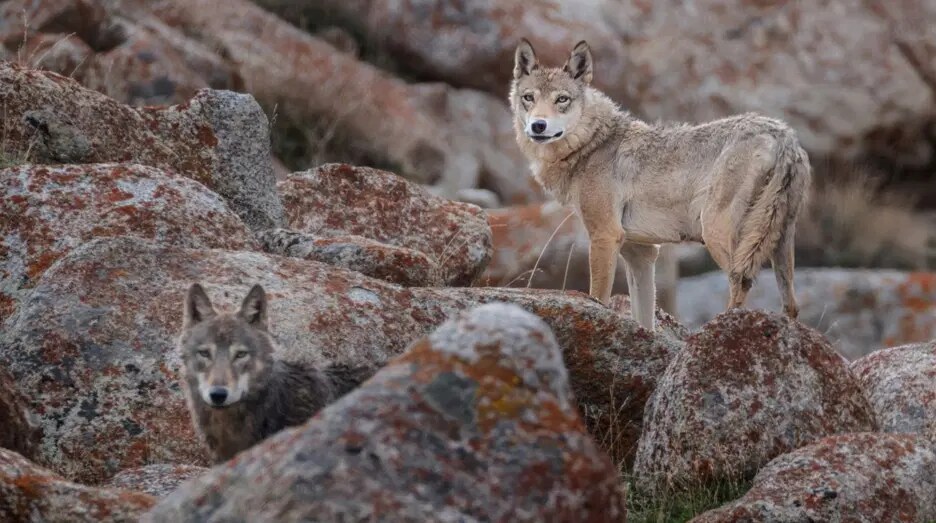
William took the FUJINON XF400mmF4.5 R LM OIS WR to the high Himalaya of Ladakh, working between 4,000 and 5,200 metres, to see how it copes with snow, dust, cold and wildlife that keeps its distance.
This is a summary. William’s full review, with all his photographs and settings, is published on Fujifilm X Stories: read the full article on fujifilm-x.com.
Kit and conditions
Lens
FUJINON XF400mmF4.5 R LM OIS WR
Camera
FUJIFILM X-H2
Teleconverters
FUJINON XF1.4X TC WR and XF2X TC WR
Where
Ladakh, India, from 4,000 to 5,200 metres, including the Changthang plateau
Subjects
Himalayan marmots, kiang, a fox family, Tibetan wolves and a snow leopard
Weather that changes by the hour
In Ladakh a single day can bring fresh snow, bright sun and wind-driven dust, with sub-zero mornings and rain on the high passes. William found the lens unbothered by all of it: the weather sealing kept snow, rain and fine dust out, the glass stayed clean, and moving between freezing air and a warm vehicle caused no condensation problems.
The first thing he noticed was the weight. Wildlife in the Himalaya is shy and rarely waits, so there is often no time to set up a tripod. A light 400mm that can be raised and on target in seconds makes the difference between getting the frame and missing it.
In the field
The focal length let William keep a respectful distance from a colony of Himalayan marmots and from a skittish fox family at their burrow, and still record their behaviour closely. Kiang crossing the Changthang plateau hundreds of metres away came out sharp, with the scale of the landscape intact.
When four Tibetan wolves ran along a distant ridge, the autofocus locked on quickly enough to hold a whole sequence. And on the last day, out of season, a snow leopard was reported half an hour away. He reached it in time, and the extra reach of the 400mm made the most of a sighting he had almost given up hoping for.
Why F4.5 matters
Much of wildlife work happens in the half-light before sunrise and after sunset. The F4.5 maximum aperture buys faster shutter speeds without pushing ISO too high, and it softens busy, rocky backgrounds into smooth blur so the animal stands out.
With the 1.4x teleconverter
Adding the XF1.4X TC WR takes the lens to about 560mm at roughly f/6.3. William used it for distant birds, wolves and mammals and saw very little cost: focus stayed fast and accurate, and sharpness and contrast held up. For snow leopards and wolves, that extra reach comes without much extra weight.
Built for travel
At altitude every kilogram counts. Handheld from a vehicle, on a monopod or carried on short hikes, the lens stayed comfortable through long days, and with Fujifilm’s mirrorless bodies it makes a wildlife kit that is far easier to travel with than many traditional super-telephoto set-ups.
The verdict
William came home confident in the lens: sharp, quick to focus, good at separating subject from background and fully weather-proof in some of the harshest conditions he has worked in. Above all, it let him concentrate on the animals rather than his equipment. In his words, it is “a trusted expedition companion”.
Watch the video on YouTube · Photographs and full article © William Chua and FUJIFILM, published 18 September 2026.